Practical Guide to Organizing Community Arts Events
Organizing community arts events can be a rewarding endeavor, fostering creativity and connection among participants. This guide provides practical insights and realistic expectations to help you successfully plan your next event.
Understanding the Basics of Community Arts Events
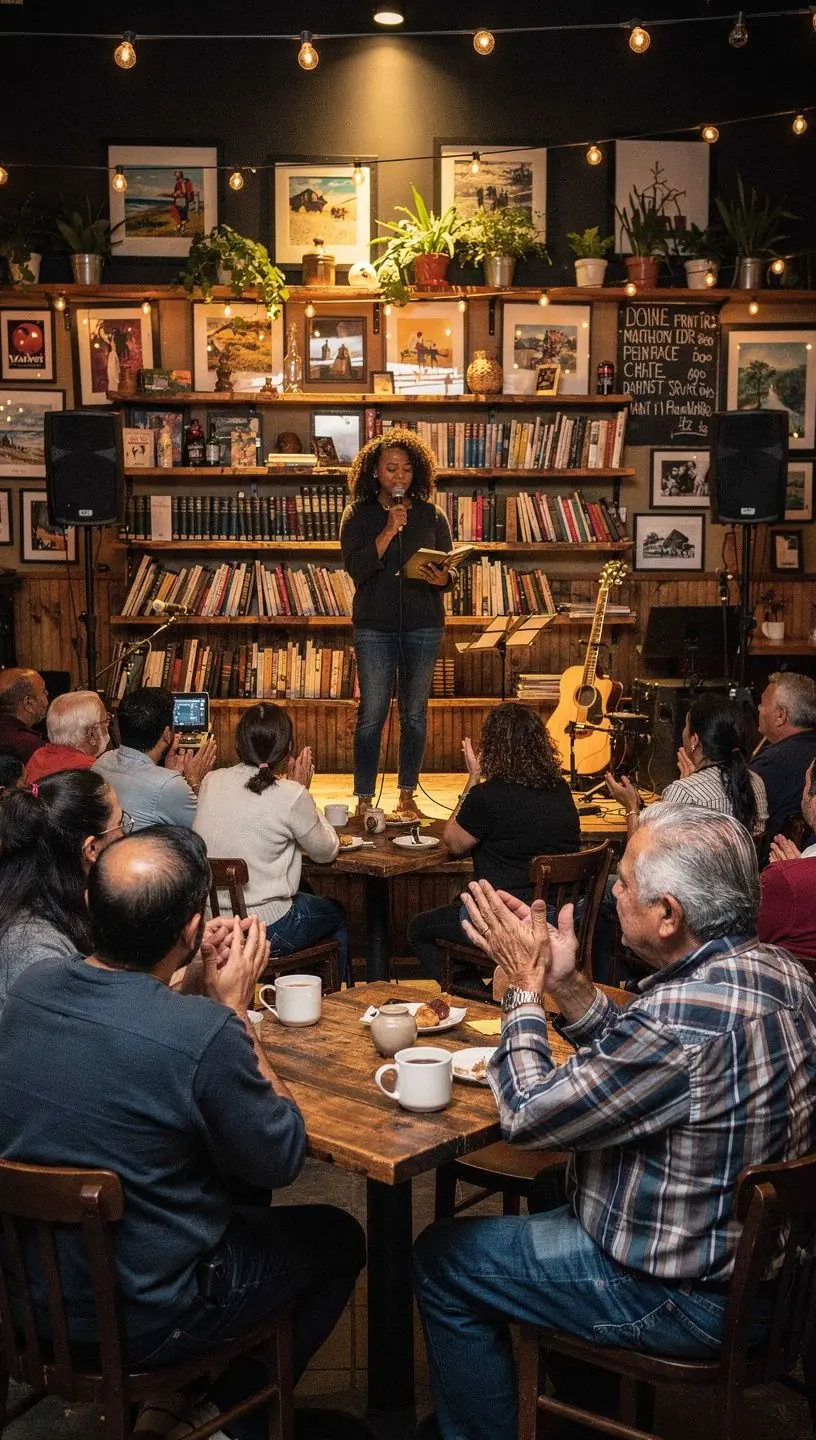
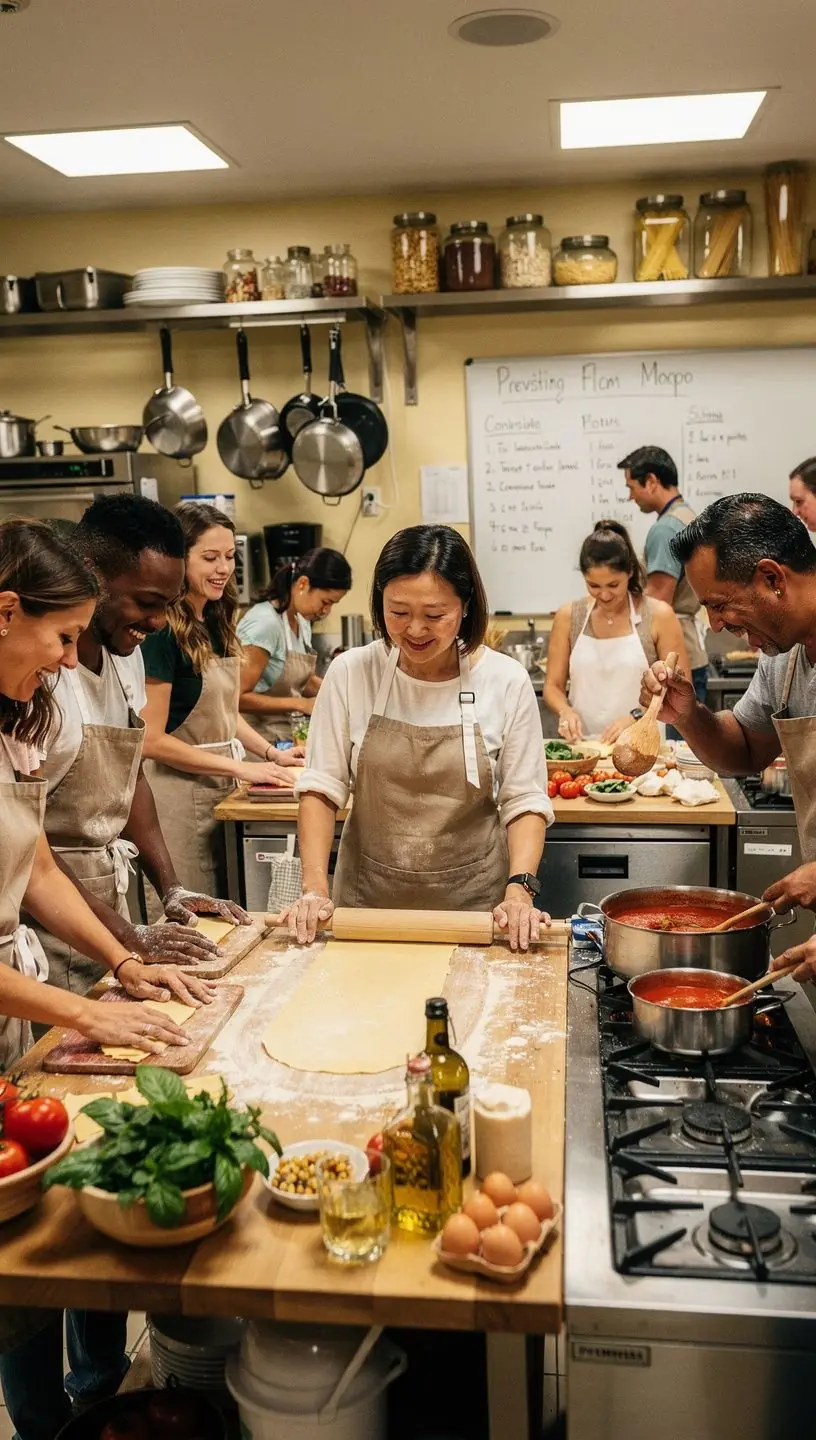
Community arts events are gatherings designed to engage participants in creative activities, from music salons to themed evenings. According to research, these events can enhance community engagement and cultural appreciation. Effective organization typically involves understanding the interests of the community, setting clear goals, and ensuring accessibility for all participants.
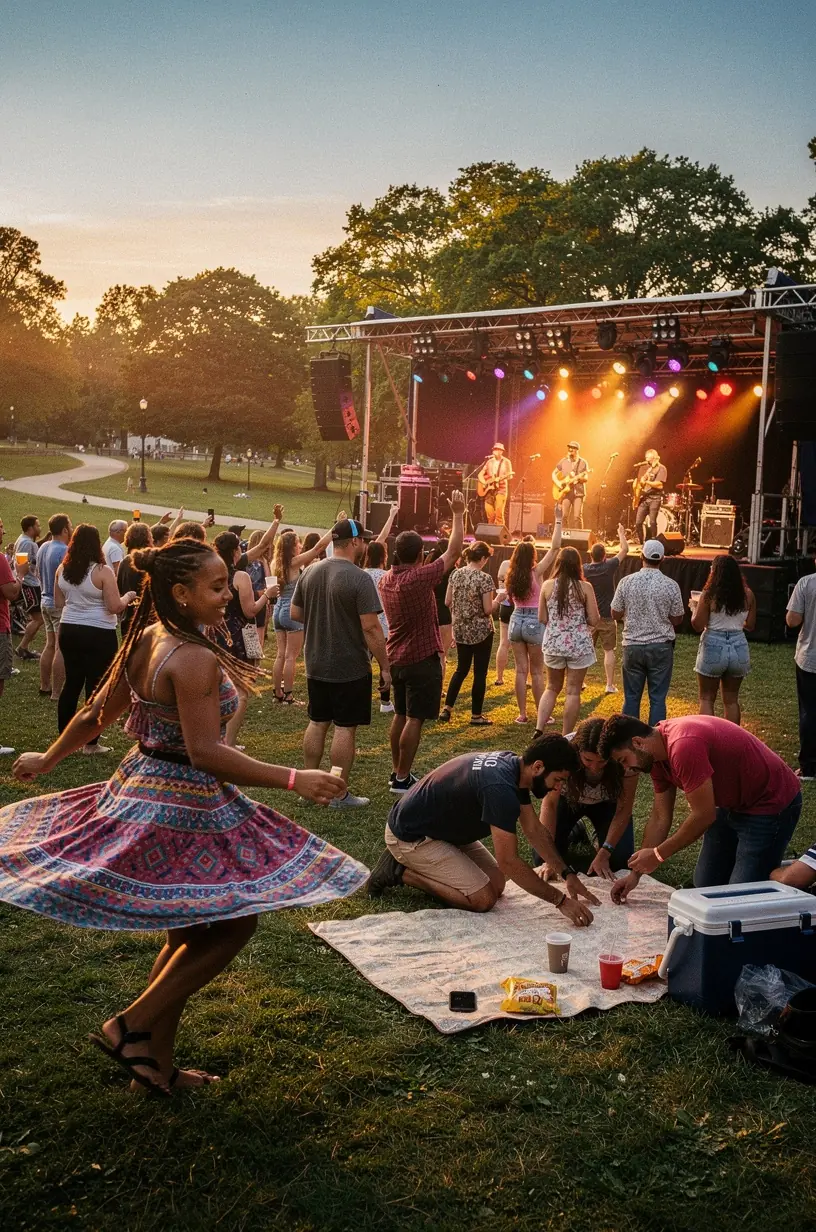
"Community arts events not only allow for self-expression but also strengthen the bonds among participants, making them essential for community development." - Cultural Development Expert
Steps to Organize a Successful Event
- Define Your Objectives: Consider what you hope to achieve. This could include promoting local artists, fostering creativity, or simply bringing people together. Experts recommend starting with clear, achievable goals to guide your planning.
- Engage the Community: Reach out to community members to gather input on themes and activities. This involvement can boost attendance and ensure the event resonates with participants. Research indicates that community-involved planning often leads to higher satisfaction rates.
- Select an Appropriate Venue: The venue should accommodate the number of participants and be accessible to everyone. According to industry standards, venues that are easily reachable and have necessary facilities tend to attract larger crowds.
- Plan Logistics: Consider details such as scheduling, equipment needs, and volunteer roles. Typically, a well-organized event takes 2-4 weeks of planning. It's vital to allocate sufficient time for each aspect of the event.
- Promote Your Event: Utilize social media, local newspapers, and community boards to reach a wider audience. Many organizers find that a multi-channel approach can significantly increase visibility and participation.
Challenges to Anticipate
While organizing an event can be fulfilling, it often comes with challenges. Time commitments are significant; most organizers report spending considerable hours in preparation. Additionally, there may be a learning curve, especially for first-time organizers. Preparation is key, as is having contingency plans for unexpected situations.
Measuring Success
After the event, it’s essential to assess its success based on your initial objectives. Gather feedback from participants through surveys or informal discussions. Industry experts suggest that evaluating both attendance numbers and participant satisfaction can provide a balanced view of the event's impact.
Conclusion
Organizing community arts events can be a complex but rewarding process. By understanding community needs, setting realistic goals, and preparing adequately, you can create an enriching experience for participants. Remember, while challenges may arise, the joy and connections fostered through these events often outweigh the difficulties faced in their organization.