Exploring the Evolution of Music Salons
Music salons have a rich history as intimate gatherings that celebrate the art of music. This article explores their evolution, significance, and how they continue to foster community engagement through live music experiences.
Understanding the Historical Context
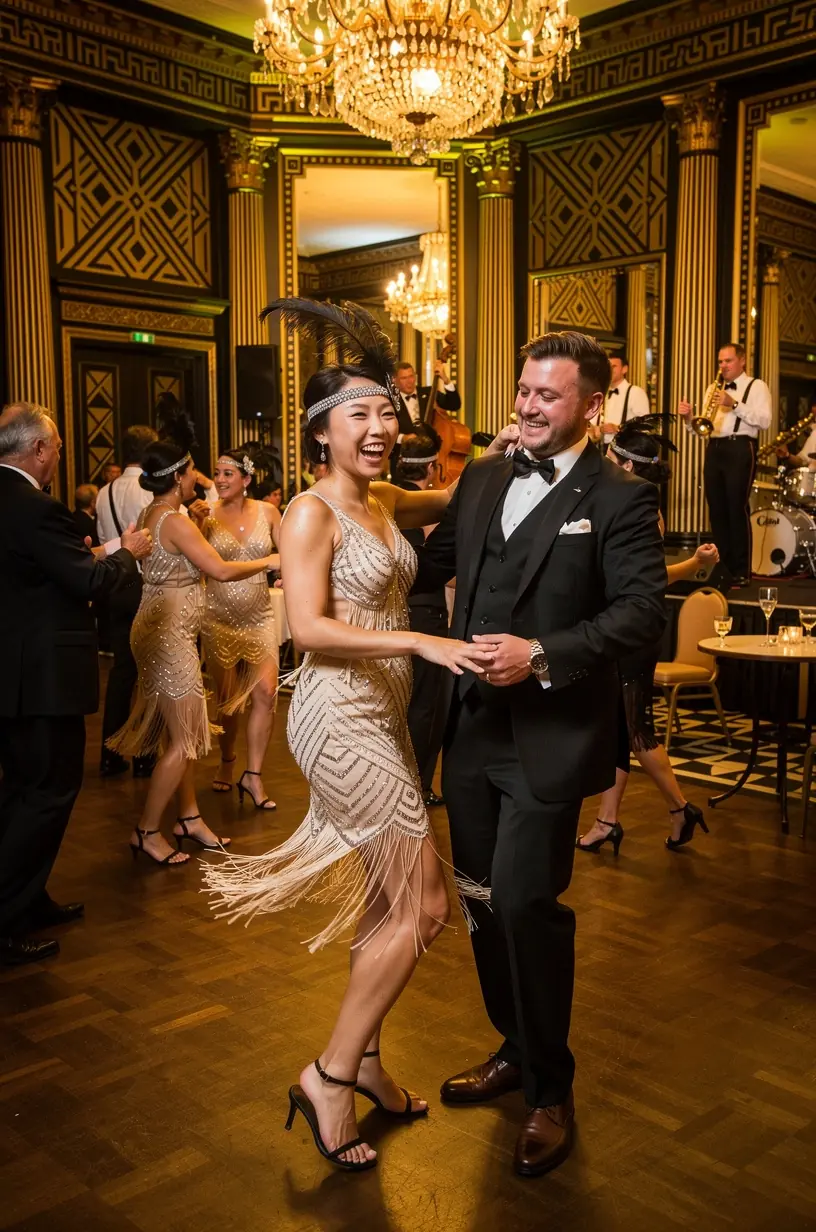
The concept of music salons dates back to the 17th and 18th centuries, particularly in Europe, where they served as venues for musicians and composers to showcase their work. Experts suggest that these gatherings were crucial for the development of classical music, providing a platform for artists to connect with audiences in a personal setting.

"Music salons were not just concerts; they were social events that shaped the music landscape of their time."
The Role of Music Salons in Modern Culture
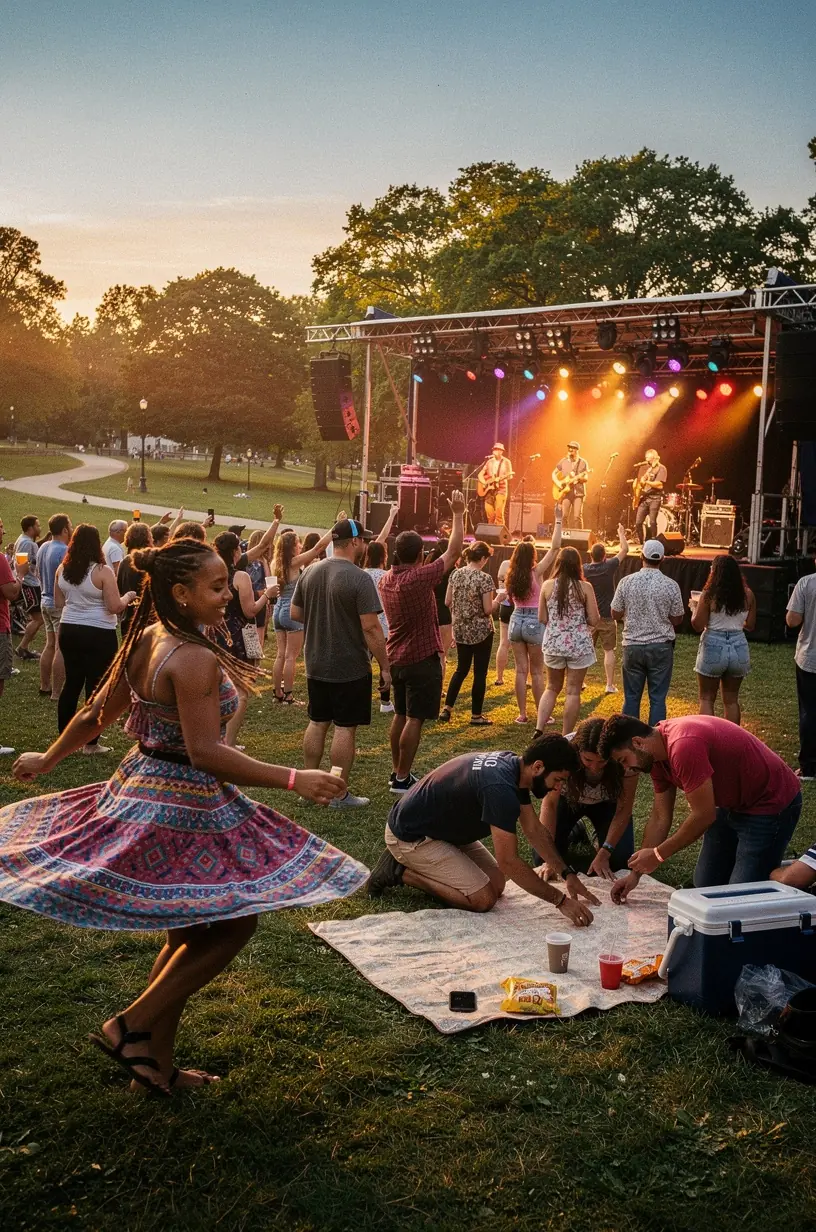
Today, music salons have evolved to include various genres and themes, reflecting the diverse interests of contemporary audiences. Research shows that such events can significantly enhance community bonding and cultural appreciation.
Some key characteristics of modern music salons include:
- Intimacy: Typically hosted in private homes or small venues, allowing for close interaction between performers and attendees.
- Diversity: Featuring a variety of musical styles, from classical to jazz and contemporary, catering to a wide range of tastes.
- Community Engagement: Often include discussions or themed evenings that encourage audience participation and feedback.
Benefits of Attending Music Salons
Engaging with music salons can offer numerous advantages:
- Enhanced Cultural Understanding: Attendees are exposed to different musical traditions and contexts.
- Networking Opportunities: These events facilitate connections among attendees and artists, fostering collaborative relationships.
- Support for Local Artists: By attending, you contribute to the local music scene and help artists gain visibility.
Challenges and Considerations
While music salons provide many benefits, there are also challenges to consider:
- They often require prior knowledge of music or the specific genre being presented, which may limit accessibility for some attendees.
- Typically, planning and hosting these events can be time-consuming, requiring effort and dedication to create a welcoming atmosphere.
- Attendance may vary, potentially affecting the financial viability of small venues.
Conclusion
Music salons continue to play an important role in cultural expression and community engagement. By attending and supporting these events, individuals can enrich their musical experiences while fostering a deeper connection with local artists and the broader cultural landscape. As interest in live, intimate performances grows, music salons stand poised to evolve further, adapting to new musical trends while retaining their core value of community connection.