How Cultural Events Encourage Lifelong Learning
Cultural events such as music salons, themed evenings, and group activities often offer more than just entertainment; they can serve as valuable platforms for lifelong learning. Engaging with others in cultural contexts can enhance knowledge, skills, and community connections.
Understanding the Benefits of Cultural Events
Participating in cultural events promotes social interaction and provides opportunities to engage with new ideas and perspectives. Research indicates that exposure to diverse cultural experiences can significantly enhance cognitive flexibility, a vital skill for lifelong learning.
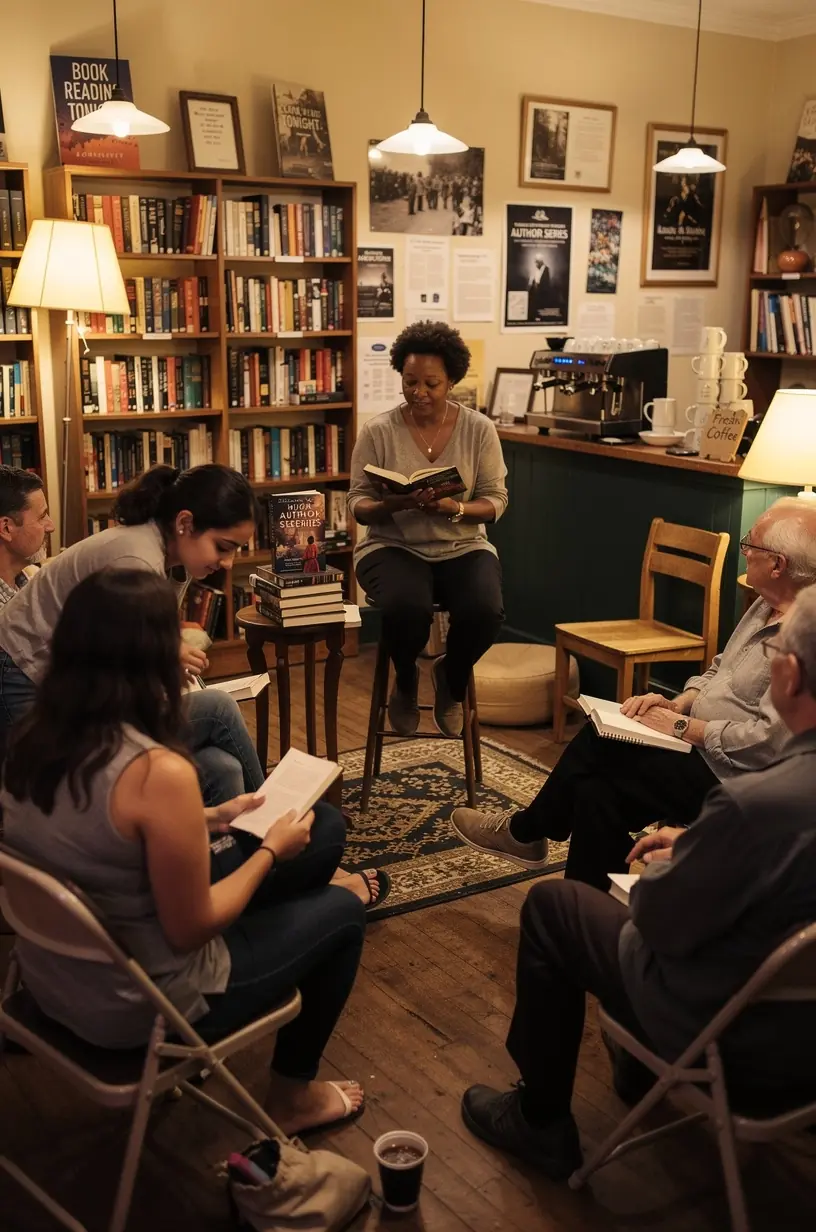
"Cultural activities can stimulate cognitive processes that promote learning and creativity," says Dr. Sarah L. Thompson, a cognitive psychologist.
How Cultural Events Foster Learning
Cultural events often involve various formats, from workshops to performances, allowing participants to absorb information through multiple modalities. This can be particularly effective for diverse learning styles. Here are a few ways these events can foster learning:
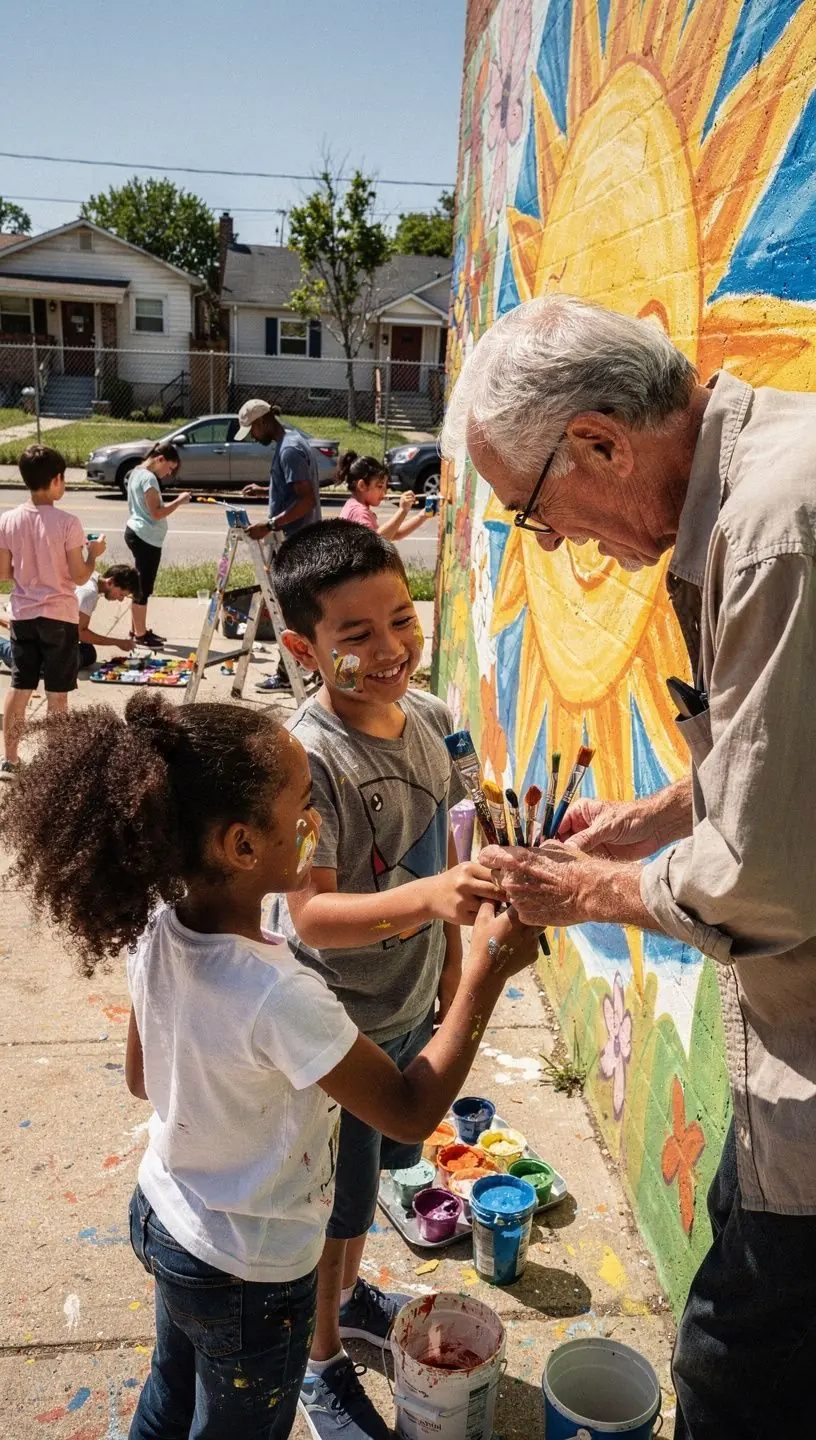
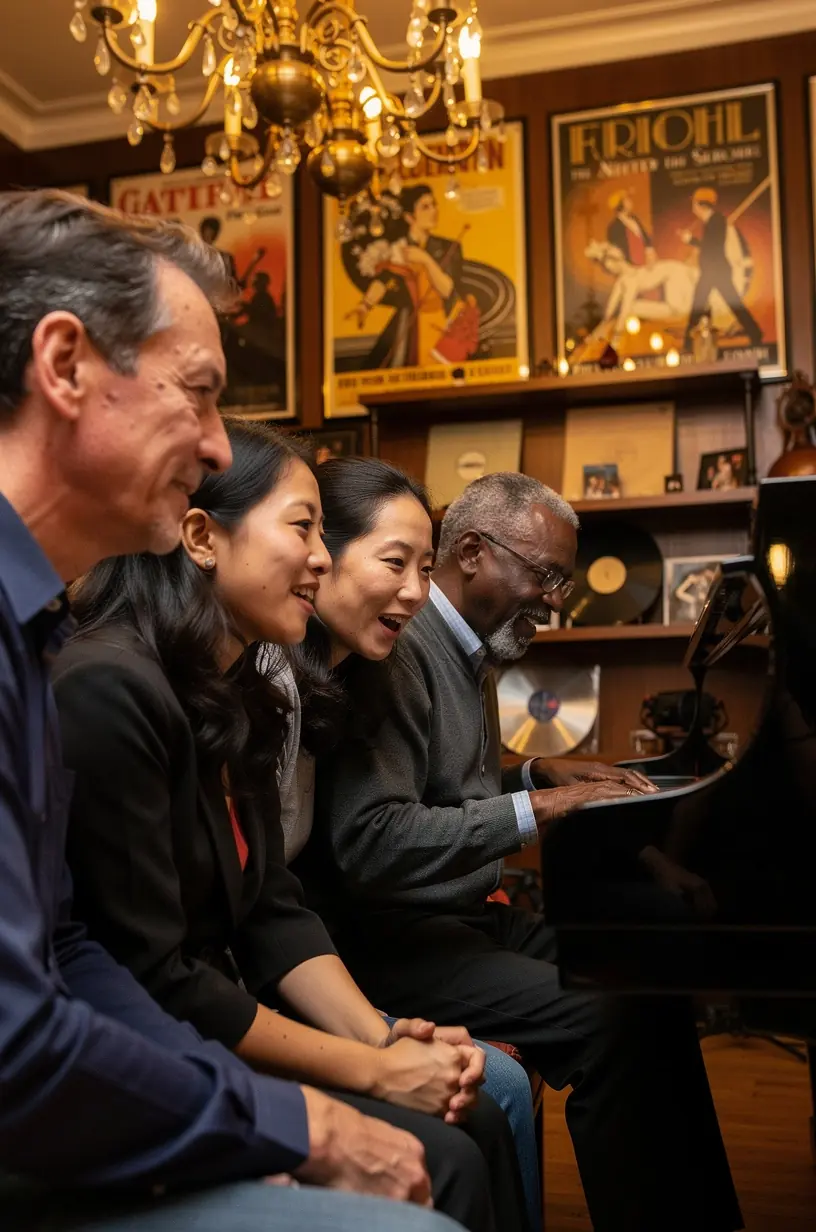
- Skill Development: Many cultural activities include hands-on experiences, whether it's learning a musical instrument at a salon or engaging in a cooking class during a themed evening. This experiential learning can be more effective than traditional classroom settings.
- Networking Opportunities: Attending these events allows individuals to meet others with similar interests, which can lead to collaborative learning experiences. Studies show that networking often enhances knowledge sharing and fosters a supportive learning environment.
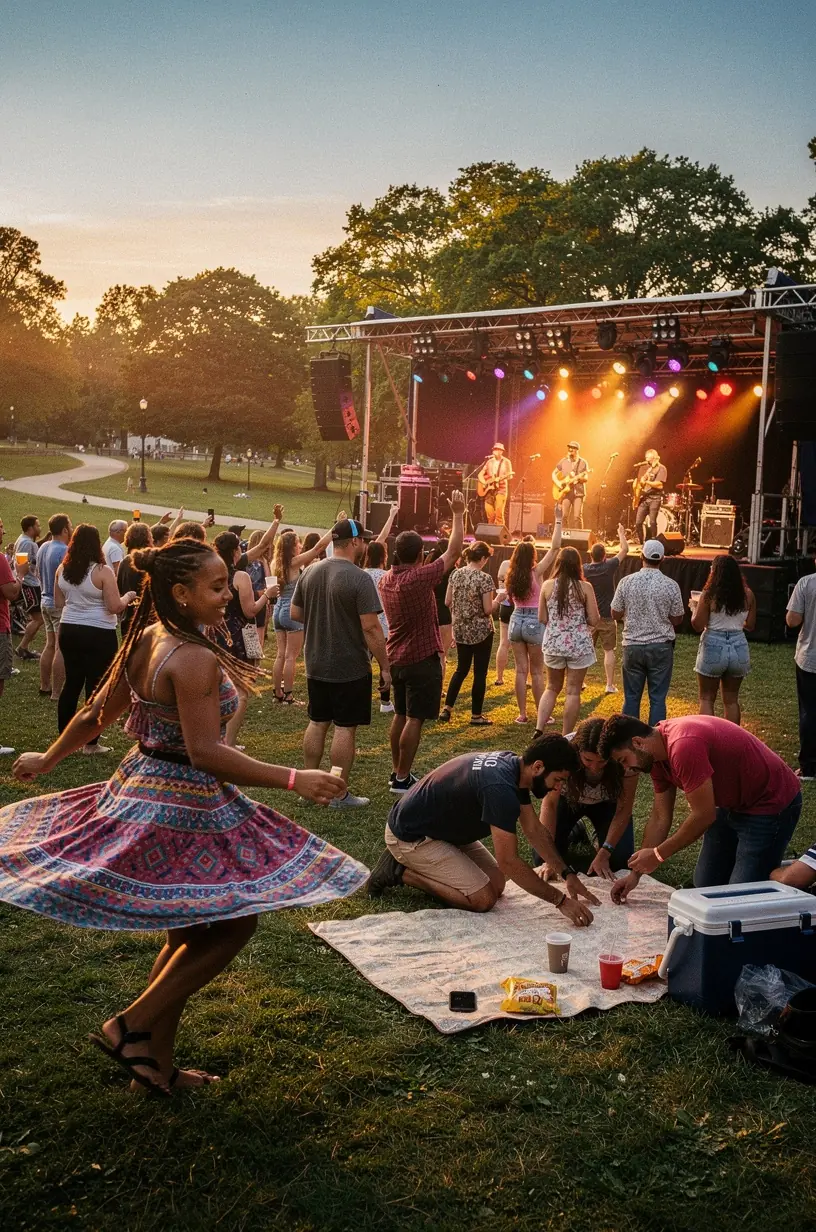
- Exposure to Different Perspectives: Cultural events frequently bring together people from various backgrounds, allowing participants to gain insights into different cultures and viewpoints. This exposure can enhance critical thinking and broaden understanding of complex global issues.
Challenges and Considerations
While cultural events can provide numerous learning opportunities, it's important to acknowledge some limitations:
- Participation may require time commitment; for instance, attending regular events can take a few hours each week.
- Engagement often depends on prior knowledge or experience; beginners might find it challenging to keep up in more advanced sessions.
- Not all cultural events are designed with educational objectives in mind, so individuals should seek out those that explicitly offer learning components.
Conclusion
Incorporating cultural events into your routine can significantly contribute to lifelong learning. By participating in these activities, individuals not only engage with art and culture but also expand their knowledge and skills in a meaningful way. As you explore various events, remember to consider your interests and the potential learning outcomes they offer; this strategic approach can maximize your educational experience.