Understanding the Benefits of Cultural Participation
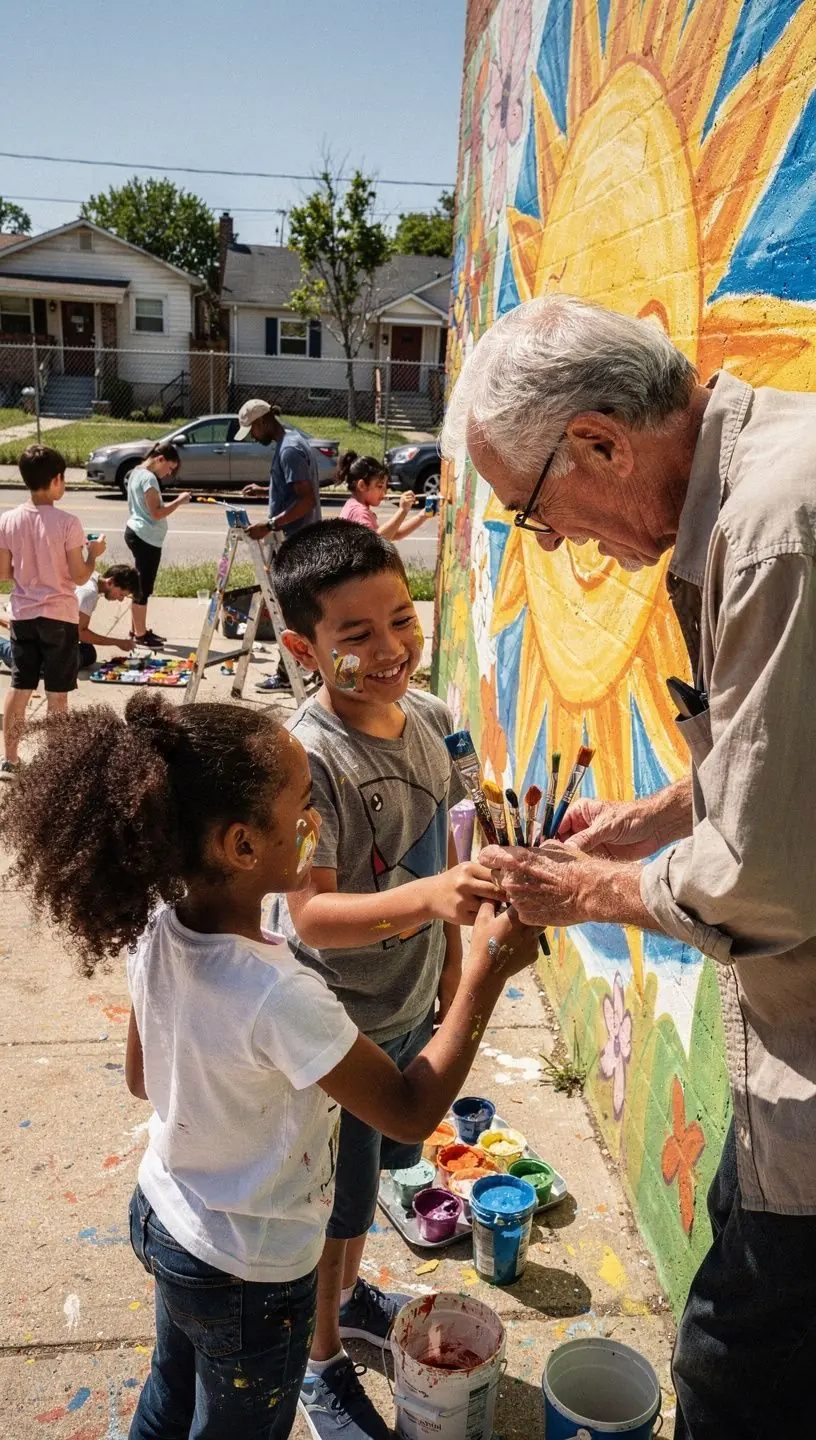
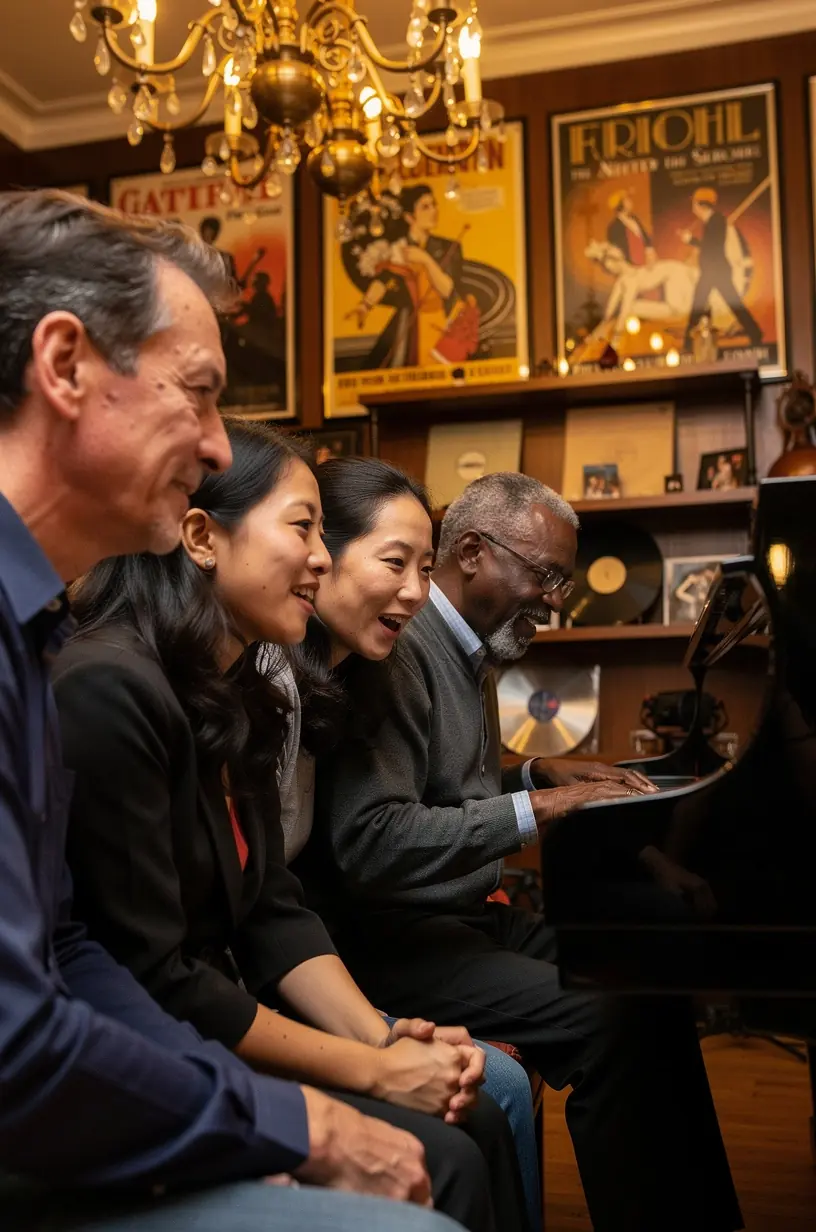
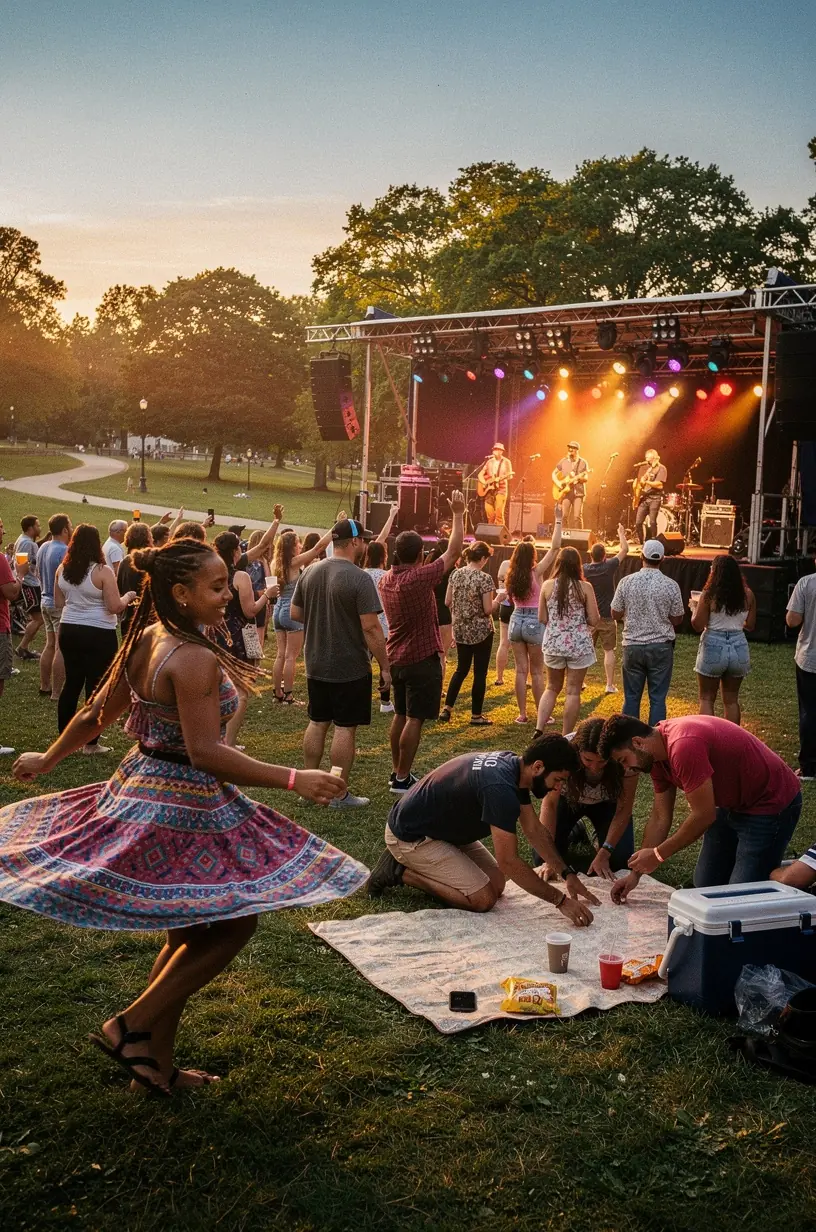
Cultural participation encompasses a wide range of activities, from attending music salons to joining themed evenings and group activities. Engaging in these events offers numerous benefits that can enhance personal and community well-being. This article explores how cultural participation can positively impact individuals and communities, backed by research and expert insights.
Why Cultural Participation Matters
Engaging in cultural activities can significantly enhance mental health and social connections. According to studies, individuals who participate in cultural events often report lower levels of stress and improved mood. Furthermore, cultural engagement has been linked to increased feelings of belonging and community cohesion.

"Research indicates that participation in cultural activities can lead to an improvement in overall life satisfaction and emotional well-being." – Cultural Studies Journal
The Social Benefits of Cultural Events
Participating in cultural activities can foster social interactions and relationships. These gatherings provide opportunities for individuals to connect with others who share similar interests. Many experts recommend participating in local events as a reliable way to build social networks.
Key Social Benefits Include:
- Networking Opportunities: Engaging in cultural discussions can lead to new friendships and professional connections.
- Community Engagement: Many users report feeling more connected to their communities after participating in local events.
- Enhanced Communication Skills: Cultural participation often involves dialogue and collaboration, which can improve interpersonal skills.
Personal Development Through Cultural Engagement
In addition to social benefits, cultural participation can promote personal growth. Engaging with art, music, and diverse cultural expressions encourages creativity and critical thinking. Studies show that individuals who actively participate in cultural activities often demonstrate greater empathy and openness to new ideas.
Benefits for Personal Development Include:
- Creativity Boost: Exposure to different forms of art can inspire innovative thinking.
- Cognitive Enhancement: Many activities stimulate the brain, which can improve cognitive function.
- Empathy Development: Experiencing diverse cultures helps individuals understand and appreciate different perspectives.
Realistic Expectations for Participation
While the benefits of cultural participation are substantial, it’s essential to approach these activities with realistic expectations. Engaging in cultural events typically requires a time commitment, often ranging from a few hours to regular weekly attendance at events. Commitment and effort are necessary to fully realize the benefits.
Considerations Include:
- Many cultural events require advance planning and may involve costs, such as ticket purchases.
- Regular attendance is often needed to develop deeper connections and understanding of the activities.
- Personal engagement may take time to evolve, as building relationships and learning new skills typically requires dedication.
Conclusion
Participating in cultural activities can be a transformative experience, offering both social and personal benefits. By embracing cultural participation, individuals can nurture their creativity, build meaningful connections, and foster community engagement. As research continues to support the advantages of cultural involvement, it becomes increasingly clear that these experiences can significantly enhance everyday life.