The Importance of Live Music in Local Communities
Live music plays a crucial role in enriching local communities across the US. Not only does it provide entertainment, but it also fosters social connections, supports local economies, and enhances cultural experiences. In this article, we will explore the significance of live music, backed by research and expert opinions, while setting realistic expectations for its impact on community life.
Understanding the Role of Live Music
According to a report by the National Endowment for the Arts, live music events often serve as a catalyst for community engagement. Communities that regularly host music events tend to have stronger social bonds and higher levels of civic participation. The principle behind this is simple: when people gather to enjoy music, they also interact with one another, building relationships and a sense of belonging.
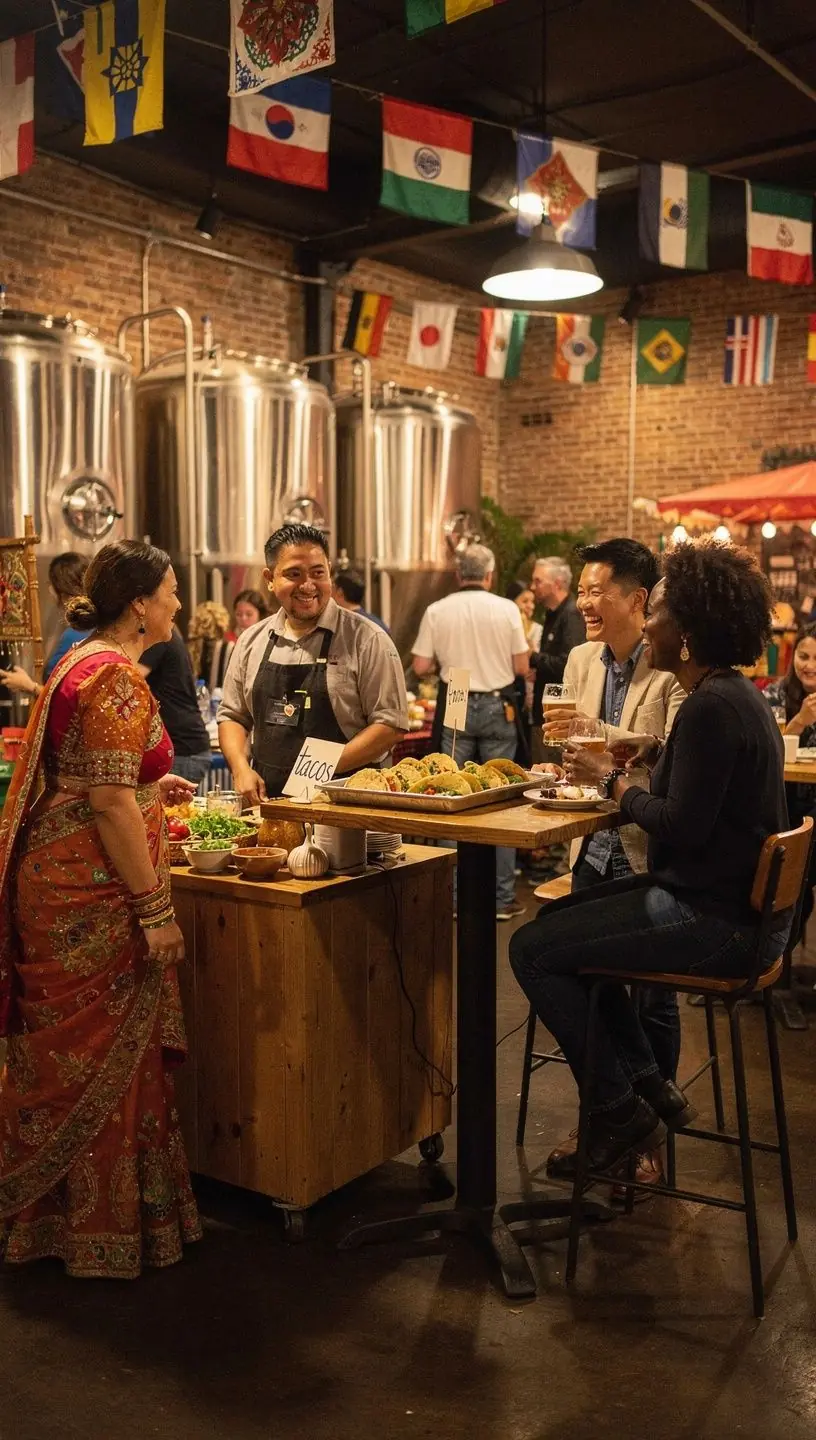
"Live music is an essential way to connect individuals and communities, fostering a shared cultural experience that enhances social cohesion." - Cultural Expert
Benefits of Live Music in Communities
Live music can offer a range of benefits that extend beyond mere entertainment. Here are some key advantages:
- Economic Boost: Many studies indicate that hosting live music events can stimulate local economies. For example, venues often see increased foot traffic, which supports local businesses like restaurants and shops.
- Cultural Enrichment: Live music events provide opportunities for cultural exchange and promote local artists, enhancing the artistic landscape of a community.
- Social Connectivity: Engaging in musical events can foster friendships and connections, particularly among diverse groups. According to research, communities with a vibrant music scene report higher levels of happiness and satisfaction.
Challenges and Considerations
While the benefits of live music are clear, there are also challenges involved. Organizing such events typically requires careful planning and resources. For instance, securing permits, funding, and promoting events can be time-consuming and may require collaboration with local stakeholders.
Moreover, it is important to note that not all communities may have the infrastructure to support regular live music events. It can be beneficial to start small, perhaps with open mic nights or community jams, before expanding to larger events.
Conclusion
In conclusion, live music is a valuable asset to local communities, capable of driving economic growth, enhancing cultural experiences, and fostering social connections. While it requires commitment and collaboration from community members, the potential benefits are significant. By supporting and participating in local music events, individuals can contribute to a vibrant cultural landscape that enriches their community.